Radical Allyship
We have a big problem. Almost no one acts as if they are Disabled. They may be a wheelchair user. Be blind or vision-impaired. They may have an autistic child or have an IEP. Or deaf. Or have Downs Syndrome or Spina Bifida or Dyslexia or Anxiety or Schizophrenia or Alzheimer’s . Or. Or. Or. Or. Or.
But push comes to shove (and there is a lot of pushing and shoving), most of us revert to some specific medical definition of the specific disability that affects us or someone we love.
And, even for the largest diagnoses… there just aren’t that many disabled people in any specific medical disability grouping.
And it gets worse.
Our legal protections and government services are sliced and diced in different directions – further dividing and isolating us from each other. We have so much trouble finding each other and working with each other that we incessantly to spawn more and more tiny groups and aspirational, short-lived not-for-profits.
There isn’t really a Disability Community.
Today it is a dream.
A myth that occasionally intimidates able outsiders who are too lazy to look closely.
(and it works pretty well as able outsiders do seem to be lazy … until we start really pushing)
There are tons of tiny disability tribes vying for attention and funding.
We may talk “Disability Community”, but there isn’t a lot of WE when and where we start walking. Or racing to be the first Me to grasp the crumbs we can grasp.
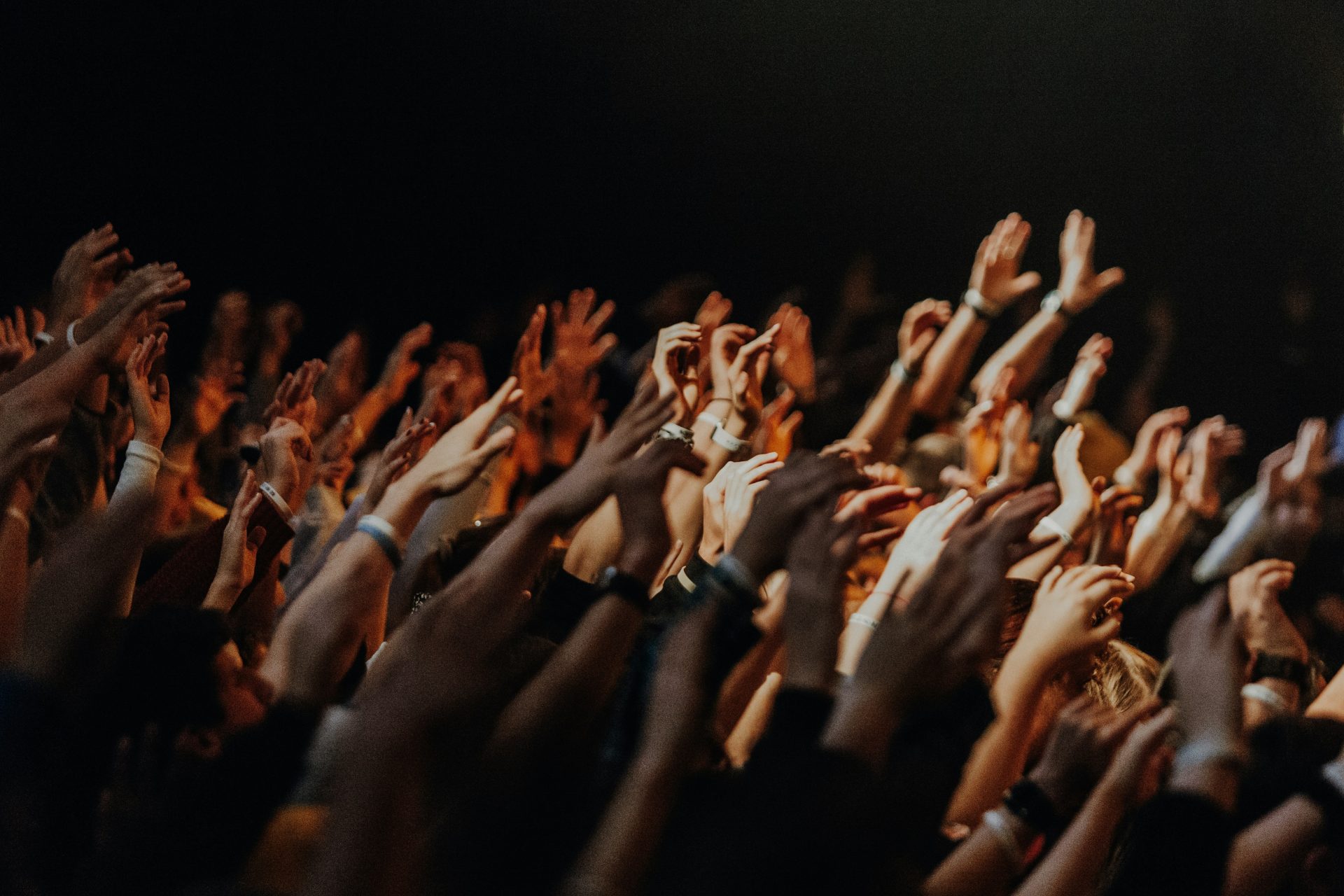
It is time to smash the myth and build a concrete Greater Disability Community.
Support each other as if all of us can get what we want RIGHT NOW… because when we are truly together there are enough of us to make that happen.
Depending on who is counting, between 10 and 25% of all Americans are disabled. The percentages are similar in every country.
10 to 25 percent.
It is enough to decide an election.
It is enough to drive the culture.
It is a valuable ally for making change.
It is a valuable ally to support.
But only if it is concrete and real.
Names and addresses on a mail list.
Members of an organization.
T-shirts. Pins. And mugs proudly declaring affiliation.
Conferences and events where candidates come to ask for support and endorsements.
At its peak, the National Rifle Association claimed 1.5% of US adults as members – about a fifth of total gun owners. If the greater US disability community had similar membership penetration, we would have an organization with 2% to 5% of US adults.
2% to 5% of US adults. Easily bigger than Peak NRA.
Imagine the impact.
On culture. On business. On politics.
But it will only happen if we choose to truly become a no-BS actual greater Disability Community organization.
Support each other. Work the system. Build alliances with other groups (and there are a lot of groups who are natural allies ….)
Radical Allyship.
With each other.
With others.
We can choose to hang together because we are already hanging separately … and it isn’t going well.