
Disability House Hacking
“House Hacking” is a cool real estate investing tactic that people talk about, but no one seems to actually use… and it is perfect for long term disability financial planning…. Maybe it will work for you.
(Don’t worry, I’m not here to sell you some sort of “System” :) !)
House Hacking 101
The idea of house hacking is that the US encourages home ownership through special mortgages (FHA). These mortgages require a lower down payment (as low as 5%) and government insured mortgages (lower rates).
This is great for home buyers, but real estate investors typically have to put 25% and often will have a higher mortgage interest rates.
“House hacking” is leveraging these loans for investors.
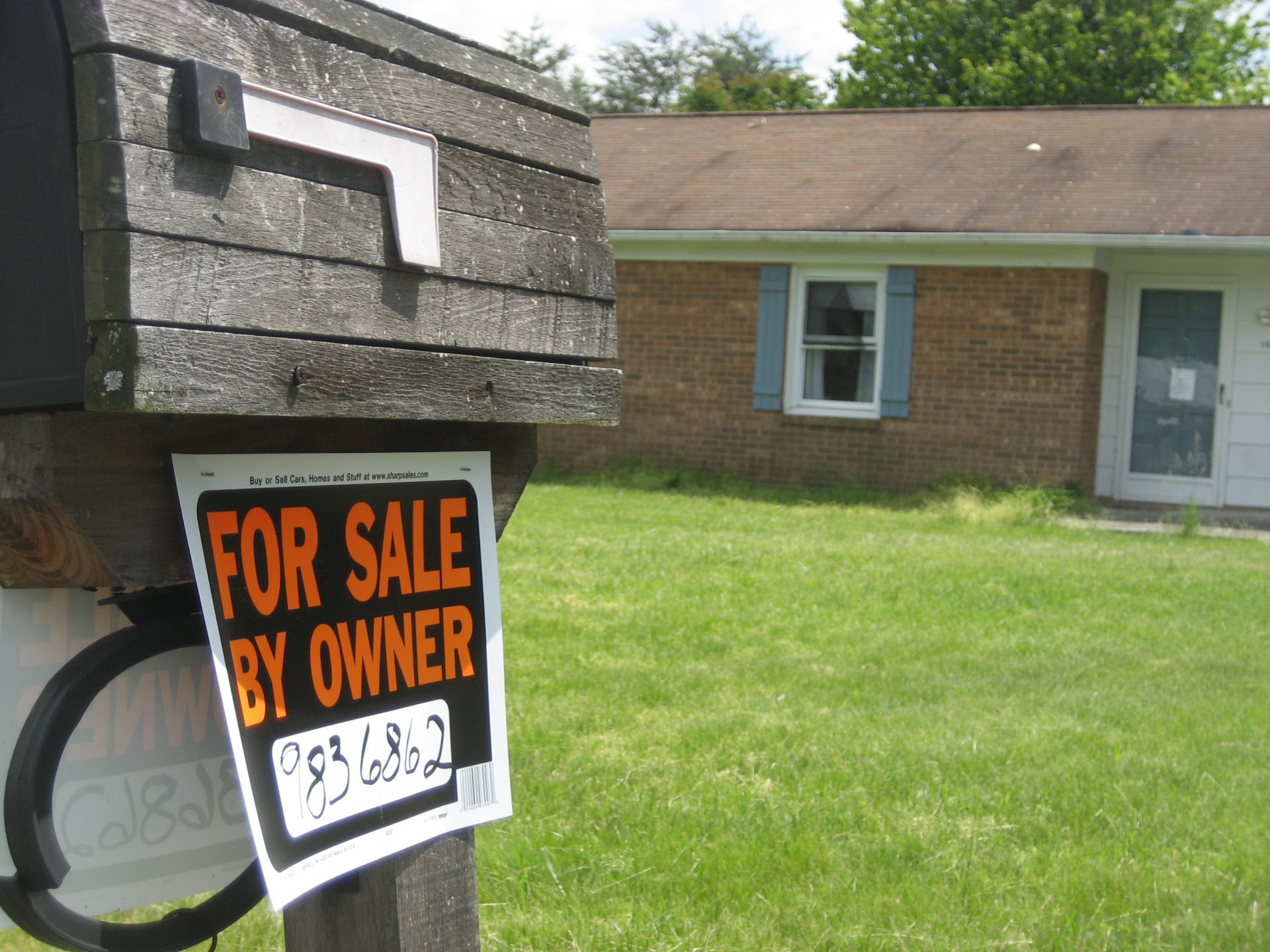
You buy and move into a property and then in a year or so move out (but don’t sell)… you rent it instead and buy another.
FHA Mortgages and Multi-Family Housing
This works even better with small multi-family properties (1 to 4 units) … as FHA insured loans work for them as well.
But, here is where the magic happens.
Typically 80% of the rent (or projected rent) for the units in the property can count towards qualifying for a mortgage (and, of course, 100% of that rent can be used to pay for the mortgage, maintenance, etc.),
So, depending on where you live, the building prices, and the rental market, your tenants can conceivably pay for the entire cost of your housing… and maybe more… or, on a bad day, subsidize your housing costs.
Your mileage may vary… our local crazy San Francisco Bay Area Real Estate makes this much harder…
… pretty sweet, and it also makes serial house hacking even easier…
But, we’re not here to build a real estate empire…. Let’s talk disability house hacking.
Disability House Hacking
Housing is a major cost in most places and the restrictions on assets and income while maintaining eligibility for disability services creates a real challenge.
Putting a multi-family property where a disabled person will live into a Special Needs Trust (either first party or third party) can provide a place to live, income to maintain the property (and fund other expenses … or even contribute to an ABLE account) … with a lot of financial leverage and can potentially be very effective over a long time horizon (do your own math!).
Parents with a disabled child can use this as part of a serial “house hacking” strategy or as part of their investment strategy (with less available leverage).
Larger multi-family properties can also work, they just can’t take advantage of FHA mortgages (larger properties will typically have commercial mortgages)